

Most insurance carriers claim to be "going digital," yet even in progressive organizations, there is often no shared understanding of what that truly entails. This creates an illusion of alignment where departments interpret "digital" through their own distinct lenses.
Ask an executive if their company is aligned on digital transformation, and they will likely say yes. However, alignment is difficult to prove.
The Disconnected Definitions of "Digital"
Behind the confident claims, departments develop parallel visions that appear to move in the same direction but are ultimately disconnected.
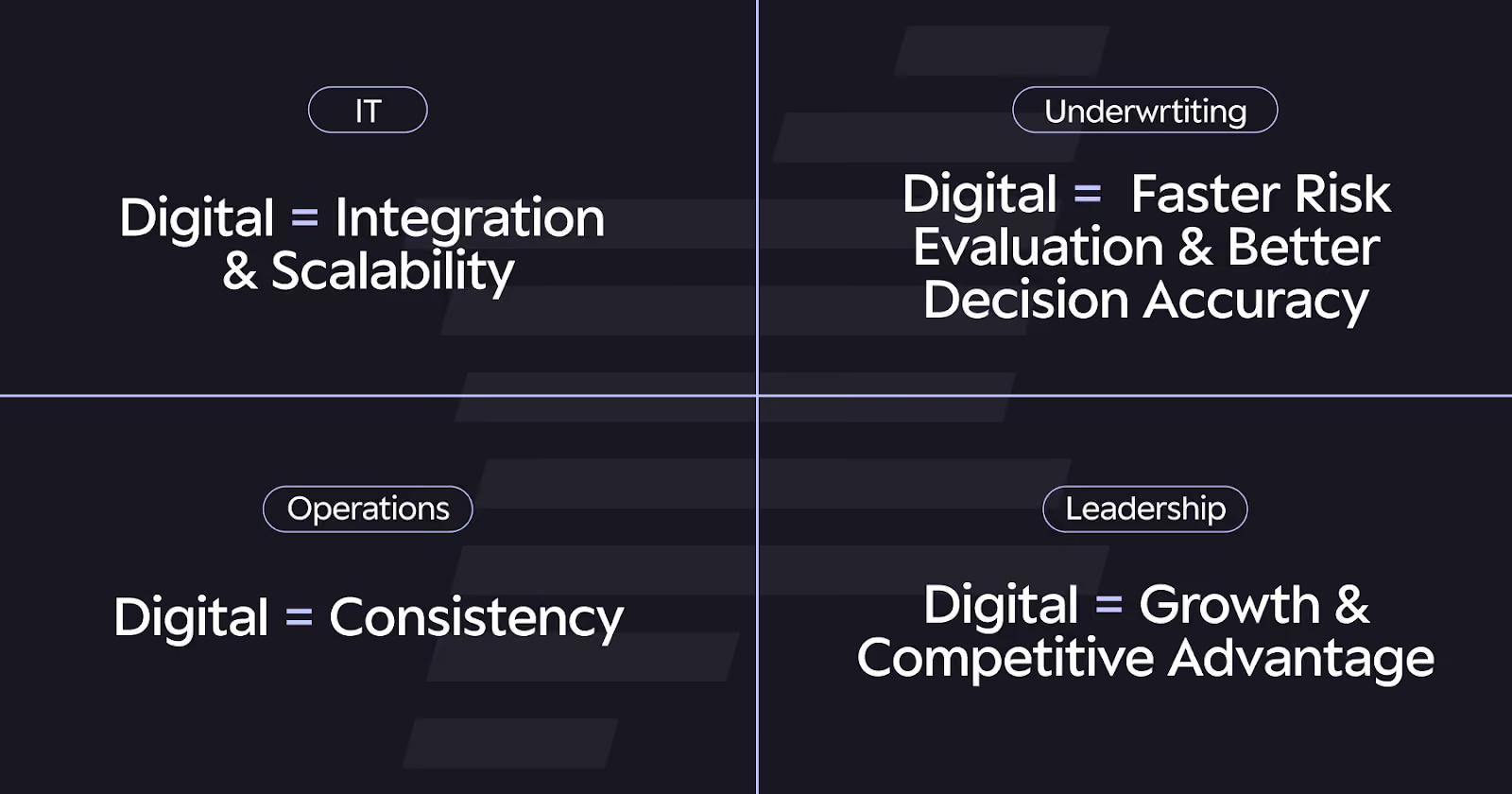
- For IT, "digital" often means integration and scalability.
- For Underwriting, it means faster risk evaluation and better decision accuracy.
- For Operations, it is defined by consistency.
- Leadership typically sees it in terms of growth and competitive advantage.
While each view is valid, these priorities inevitably conflict without a single, shared definition of "digital transformation".
The Cost of Alignment's "Lie"
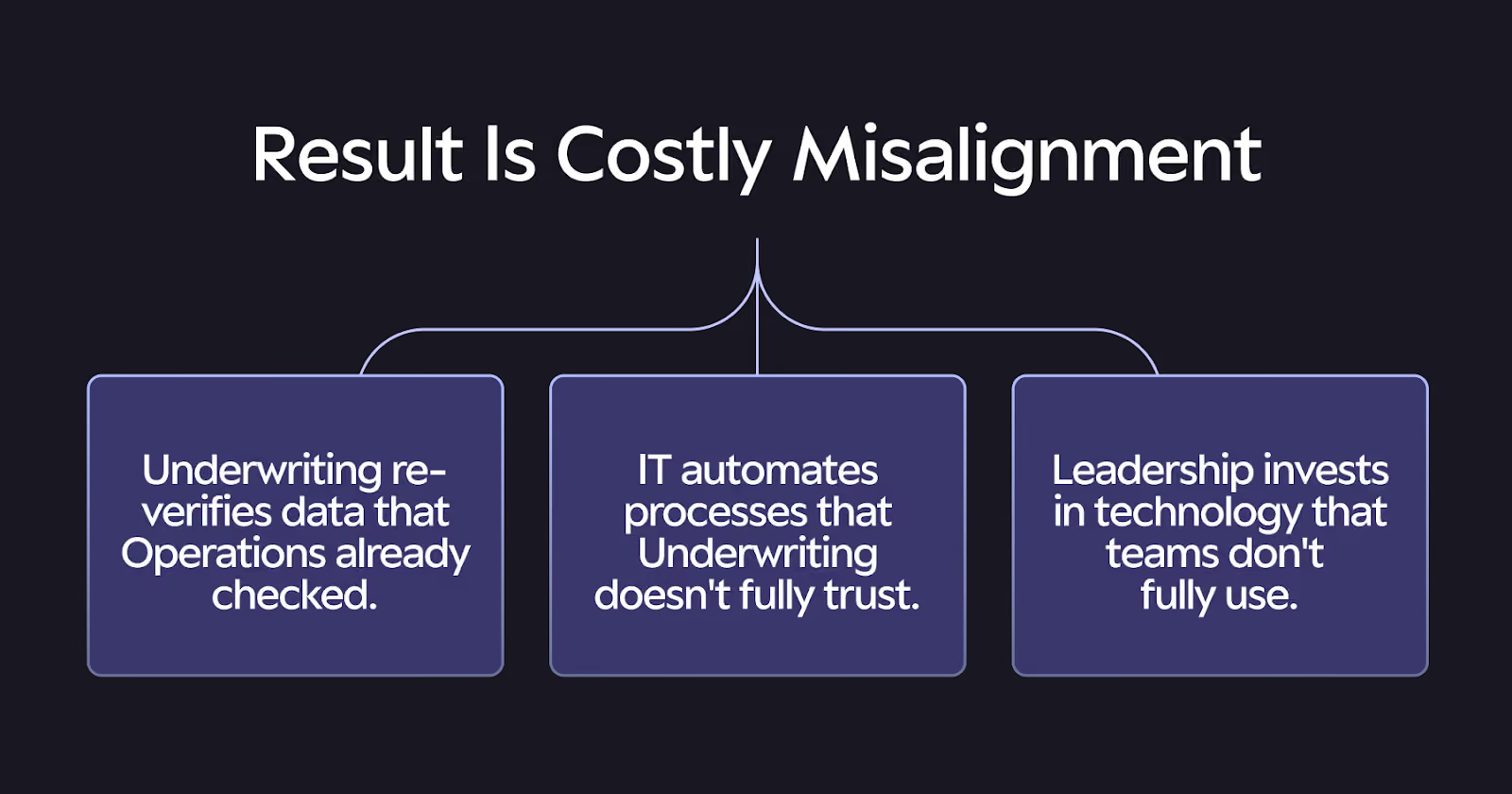
This confusion leads to the "lie in alignment": everyone agrees in theory, but execution remains disconnected, and nothing truly changes. The illusion of alignment provides the comfort of progress while silently preserving the inefficient systems that prevent real transformation.
The result is costly misalignment:
- Underwriting re-verifies data that Operations already checked.
- IT automates processes that Underwriting doesn't fully trust.
- Leadership invests in technology that teams don't fully use.
The underlying issue is that each group measures success using its own language, and these dialects rarely translate. For example, in one assessment, IT dashboards showed shorter processing times after an upgrade, which the underwriting team agreed meant improved quote cycle time. However, Operations revealed that documents were moving faster between systems, but manual review still caused the same delays between people. The apparent success in the data was merely a reshuffling of inefficiency.
Agentic Information Extract: The Foundation for True Clarity

At Upstage, we define alignment not as consensus, but as clarity. Alignment is missing because teams haven't stopped to agree on what it means in execution, not because people fundamentally disagree.
Upstage's Agentic Information Extract product changes the conversation. Its purpose goes beyond extracting data, it surfaces a single source of truth across all teams. By transforming unstructured underwriting data (submissions, statements, attachments) into structured, verified information, it gives every department the same, consistent foundation to build from.
When this shared foundation exists, "digital transformation" stops being abstract. It becomes something measurable, creating visibility into how a submission moves and how decisions are made. It serves as the connective tissue that turns ambition AI initiatives into operational alignment.
Real-World Impact
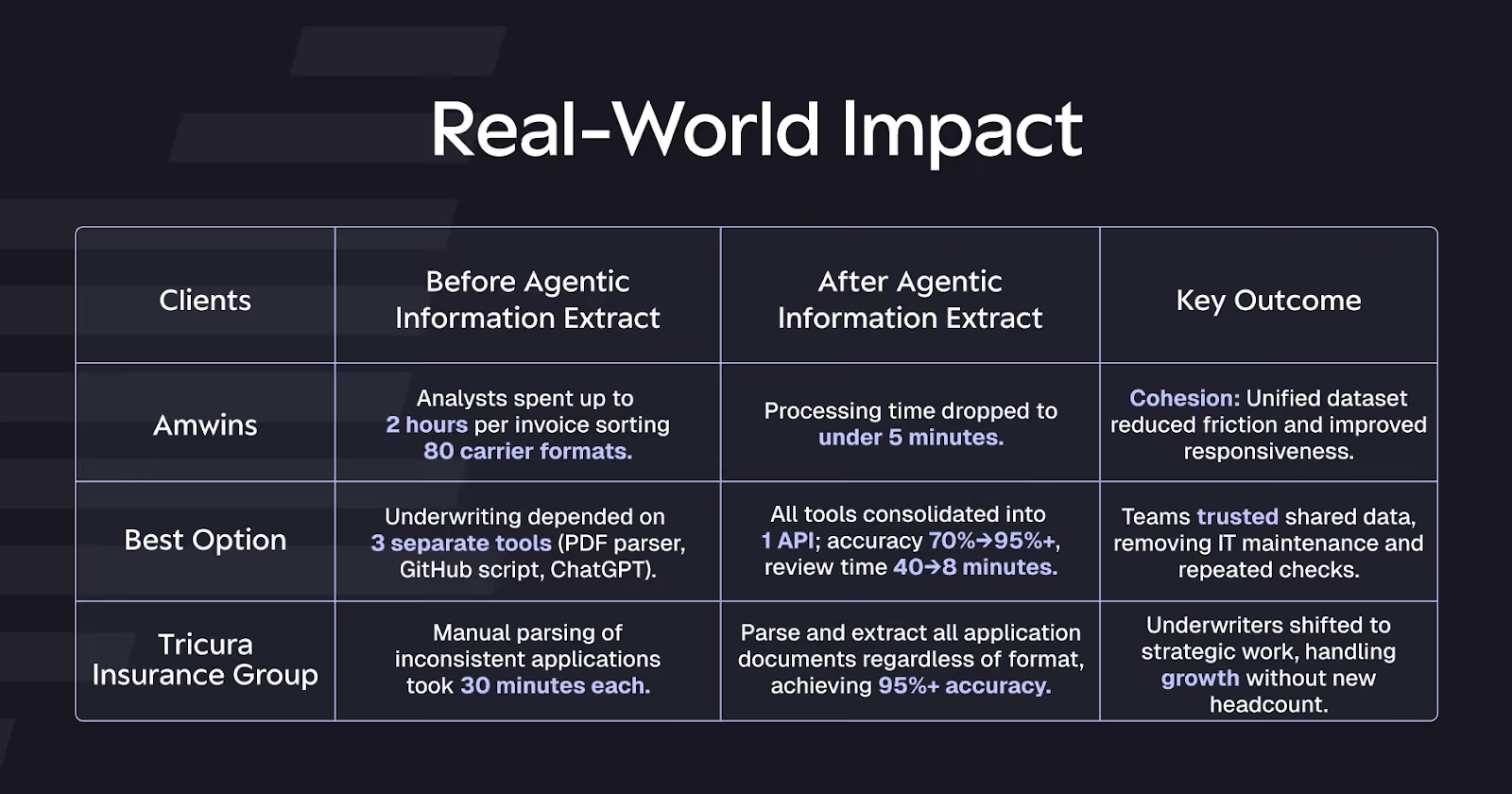
Agentic Information Extract has delivered significant, measurable results for clients:
Engineering Alignment, Not Just Discussing It

True alignment is not built in meetings, it is engineered in design. In Phase One of our 90-Day Modernization Plan, we bring IT, Underwriting, Operations, and Leadership together to map how work actually moves—every handoff and every redundant review—and define what success means for each function.
The picture that emerges exposes the gaps that technology alone can't fix. Upstage then ensures that every workflow, system, and metric reflects a single, shared definition of "digital."
Agentic Information Extract is the mechanism that allows this to happen, ensuring that automation creates coherence instead of multiplying complexity. Digital transformation doesn't fail because teams disagree, but because no one stops to define what agreement looks like in the workflow.
The insurance leaders of the next decade will be the ones who build alignment into everything they create. Upstage provides the system to uncover, define, and make that crucial advantage real.
Would you like to know more about the Phase One engagement and how it works? If you’re ready to start building, come chat with us.